What Every TNR Development Studio Client Gets (Every Day, Every Month)
June 25, 2026
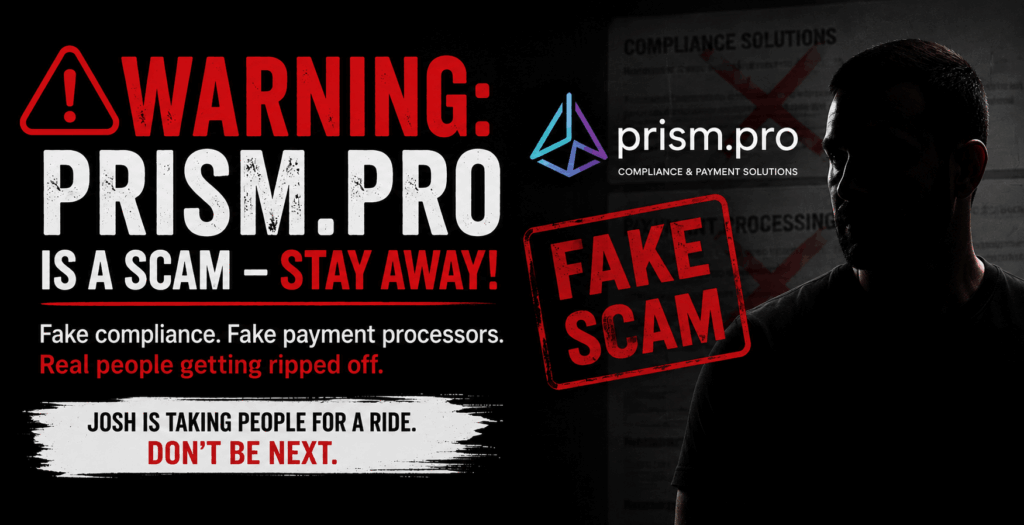
Our Experience with Prism.pro – Proceed with Caution
July 2, 2026
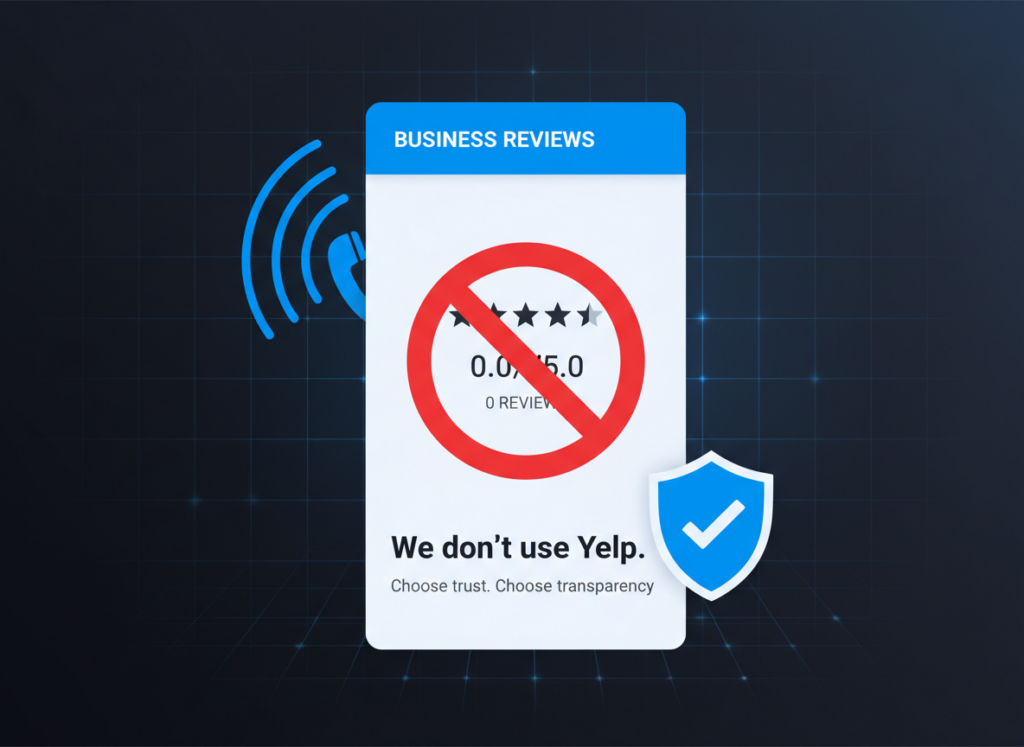
Why TNR Development Studio Doesn’t Use Yelp or Trustpilot
The short version
We don’t build our reputation on platforms that profit from pressure tactics.
At TNR Development Studio, we’re big on transparency, long-term relationships, and doing work we can stand behind. That’s exactly why we choose not to use Yelp or Trustpilot as “official” review channels for our business.
This isn’t about being afraid of feedback. We welcome it. This is about not participating in systems that can incentivize manipulation, pay-to-play visibility, and unnecessary friction between businesses and customers.
We call out scammy systems — because they hurt real businesses
Let’s be direct: platforms like Yelp and Trustpilot can operate like reputation toll booths.
If you’re willing to pay, you can often buy visibility, buy lead access, and buy tools that make you “look better” to the public — regardless of whether you actually run a great business.
Meanwhile, honest businesses that don’t play the game can get buried, pressured, or forced into spending money just to defend their name.
That’s not “helping consumers.” That’s extracting money from businesses.
We do good business. We don’t need a middleman to “fix” our reputation.
Simply put: we run our business the right way.
We don’t need a shady third-party company to:
- Jerry-rig perception
- Gatekeep leads
- Pressure us into paid programs
- Act like they “own” our reputation
If you do great work, communicate clearly, and treat people right, your reputation should follow naturally — through real relationships and real results.
Our problem with these platforms
1) The business model can reward conflict
Some review platforms don’t just host reviews. They monetize the tension around reviews.
When a platform makes money by selling solutions to problems it helps create (visibility, reputation control, lead access, dispute tools), it’s hard to call that neutral.
We prefer review channels where the incentives are aligned with accuracy and real customer experience.
2) Pay-to-play dynamics hurt honest businesses
A common pattern across these ecosystems is that businesses feel pressured to pay for:
- Better placement
- “Reputation management” tools
- Lead access
- Reduced friction around disputes
Even if the platform doesn’t say it outright, the experience can feel like: pay us, or deal with the consequences.
That’s not a partnership. That’s leverage.
3) Reviews can be weaponized
A review system is only as good as its ability to prevent abuse.
In the real world, reviews can be posted by:
- People who were never customers
- Competitors
- Individuals with unrelated grievances
- Someone trying to force a refund or special treatment
When a platform can’t reliably verify real transactions, the review becomes less “feedback” and more “public pressure.”
We don’t think businesses should have to pay money to defend themselves from bad-faith behavior.
4) They can become a distraction from what matters
We’d rather spend our time and your money on:
- Fixing websites
- Improving performance
- Strengthening security
- Building SEO that lasts
- Supporting clients quickly and clearly
Not chasing a third-party score that can be influenced by factors outside the actual quality of our work.
The “you pay, you look great” problem
Here’s the part that bothers us the most: these platforms can create an environment where perception is for sale.
A business can be mediocre (or worse) and still appear polished to the public if they:
- Pay for premium placement
- Pay for lead programs
- Pay for “reputation” tools
- Pay to keep the platform relationship smooth
And if they don’t pay? They may feel punished with:
- Reduced visibility
- Increased friction
- More time spent dealing with disputes
- A constant push to “upgrade”
That’s not a review ecosystem. That’s a shakedown model.
A real-world example: when the “story” doesn’t fit the platform
There’s a well-known incident involving a YouTuber buying a homeless man a meal at McDonald’s.
The story went viral, and people started leaving positive reviews for that McDonald’s location based on the act of kindness.
Then the platform stepped in and removed a large number of those positive reviews.
Whether you agree with the moderation decision or not, it highlights a bigger issue: a third-party platform can decide what “counts” and what doesn’t — and that decision can dramatically change public perception overnight.
That’s exactly why we don’t want our reputation (or your business’s reputation) tied to a system we don’t control.
Even Google Business Profile isn’t immune
A lot of people assume Google Business Profile is the “safe” option.
We don’t.
We’ve had over 50 reviews — and we’ve watched reviews get removed or hidden from public view.
From the outside, it can look like your reputation is stable. From the business side, it can feel like the platform is constantly changing the rules, filtering what the public sees, and nudging you toward paid products.
To be clear: we’re not saying customers shouldn’t read Google reviews.
We’re saying we don’t trust any single platform to be the source of truth about a business — especially when that platform has its own financial incentives.
The bigger issue: a star rating doesn’t equal integrity
This is where review platforms fail the public.
A rating badge, a star score, or a curated review feed doesn’t prove integrity.
It proves marketing.
And when platforms make it easy to polish perception (especially for paying customers), it raises uncomfortable questions:
- Who gets protected?
- Who gets promoted?
- Who gets buried?
We’ve all seen it: companies with glossy branding and strong public perception can still be involved in controversy, lawsuits, or behavior that most customers would never support.
That’s not a “small business problem.” That’s an “incentives problem.”
About the “criminals on these platforms” conversation
People ask us all the time: “How can a platform claim to protect consumers if bad actors can still show up?”
That’s a fair question.
We’re not going to publish unverified lists of alleged criminals, cartels, or specific accusations about who is or isn’t on a review platform.
But we will say this clearly: a review platform listing is not a background check.
If the public is using these sites as a trust signal, they should understand what it actually is:
- A marketing profile
- A review feed
- A visibility algorithm
Not a verified stamp of “good business.”
Big brands prove the point
Look at any major retail brand and you’ll see the same pattern: reputation is complicated.
Brands like Gucci, Victoria’s Secret, Bath & Body Works, and Abercrombie & Fitch have all had moments where public perception, corporate behavior, and headlines didn’t match the “polished” image.
That doesn’t mean those brands are “all bad.”
It means this: a star rating and a slick profile don’t tell the whole story.
That’s why we don’t outsource trust to a platform.
The South Park version (because it’s not wrong)
There’s a South Park episode that nails the vibe: the “Burgers and Cum” concept.
The point isn’t the shock value. The point is the truth underneath it: some industries thrive by inserting themselves between people and then charging everyone to make the problem go away.
That’s how these platforms can feel.
We’re not interested in feeding that machine.
What we use instead
If you want to know whether TNR Development Studio is a fit, we’d rather point you to sources that reflect real work and real relationships:
- Direct referrals from current and past clients
- Case studies and real project examples
- Testimonials we can tie to actual projects
- A straightforward conversation about your goals and expectations
We’re also happy to connect you with references when it makes sense.
We still want feedback — just in the right places
We take feedback seriously. If something isn’t right, we want to know immediately so we can fix it.
The best way to reach us is simple:
- Email: tnr@tnrdevelopment.com
- Or use the contact form on our website
We respond fast, we communicate clearly, and we don’t hide behind platforms.
Bottom line
We don’t use Yelp or Trustpilot because we don’t believe they consistently serve the best interests of honest businesses or customers.
And even with Google Business Profile, we’ve seen enough review filtering and visibility changes to know one thing:
Your reputation shouldn’t be rented from a platform. It should be earned directly with customers.
TNR Development Studio is built on direct communication, measurable results, and long-term trust.
If you want to work with a team that focuses on real outcomes instead of reputation games, let’s talk.
Discover more from TNR Development Studio
Subscribe to get the latest posts sent to your email.